

What does a freight broker do?
A freight broker connects businesses that need to ship goods with authorized motor carriers that have the equipment, availability, and experience to move those goods. Simply, a broker serves as the link between the shipper and the trucking company.
Brokers do not usually own trucks or physically transport freight. Instead, they arrange transportation with reliable carriers, manage the drivers and liabilities, monitor the shipment, manage any potential problems, and help keep the shipment moving from pickup through delivery with a clear line of communication.
How Does the Freight Brokerage Process Work?
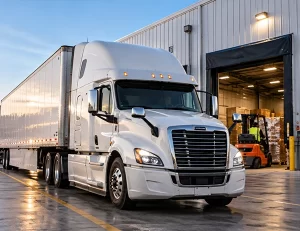 The process begins when a shipper provides information about a load, including the origin, destination, commodity, weight, equipment requirements, pickup and delivery windows, and any other special handling needs. The freight broker then uses industry experience and an established, reliable carrier network to identify a qualified carrier for the job.
Before tendering the load, a responsible broker reviews the carrier’s operating authority, insurance, safety information, and service history. The broker confirms rates and expectations with both parties before booking the shipment. Once it’s booked, the broker communicates pickup instructions, appointment details, and relevant documentation to ensure the carrier and shipper are working from the same plan.
What Does a Broker Handle During Transit?
A freight broker remains heavily involved even after the truck is dispatched. Depending on the shipment, the broker may confirm pickup, monitor progress, provide updates, coordinate delivery appointments, and respond when circumstances change. If weather, traffic, mechanical problems, or scheduling conflicts affect the plan, the broker helps communicate the issue and works with the shipper and carrier to find a practical solution.
Brokers also help manage the administrative side of a load. This can include rate confirmations, bills of lading, proof-of-delivery documents, invoices, and shipment records. When a loss, shortage, or damage issue occurs, a broker can help the parties gather documentation and navigate the claims process, although the carrier that transports the freight is generally responsible for the cargo while it is in transit.
How Does a Freight Broker Help Shippers?
A broker provides access to carrier capacity without requiring the shipper to contact multiple trucking companies for every load. A knowledgeable broker can compare options, negotiate pricing, match the shipment with suitable equipment, and serve as a single point of contact. This can save time, reduce administrative work, and make it easier to respond when regular capacity is tight or a shipment has unusual requirements.
How Does a Freight Broker Help Carriers?
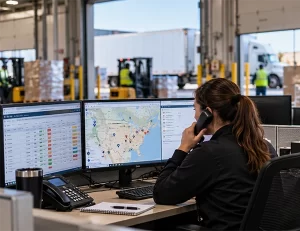 A strong broker relationship can provide access to new load opportunities, reduce the time spent searching for freight, and help minimize empty miles. The broker communicates load requirements before acceptance, answers operational questions, and helps resolve issues during transit. Reliable brokers also make documentation and payment processes straightforward, allowing carriers to spend more time hauling and less time tracking down paperwork.
Triple T Transport provides customized freight management, access to a broad carrier network, real-time shipment visibility, and dedicated support from pickup through delivery. Whether you need to move a single load, manage recurring shipments, or improve a complex supply chain, our team can develop a cost-effective plan around shipper requirements. Contact Triple T Transport to request a quote and learn how a dedicated freight brokerage partner can give you greater confidence, control, and peace of mind.