
Fighting Freight Fraud: How Today’s Criminal Networks Operate and How to Stay Ahead
December 2, 2025
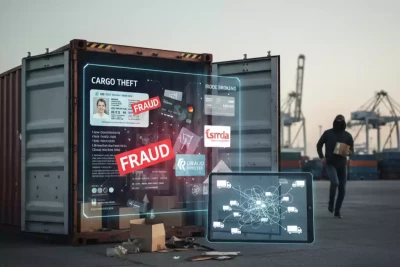 The transportation industry has always dealt with theft and deception, but the game has changed. Modern cargo theft, identity fraud, and double brokering are no longer isolated events. These attacks often come from coordinated, international crime rings that exploit digital systems, stolen credentials, and the fast pace of today’s freight market.
“These crime rings, they’re not just a one-off. It’s multiple loads at a time and they are basically impersonating multiple carriers at a time,” warns Michael Grace, VP of Customer Risk Management at the logistics technology firm Highway.
For brokers, the challenge isn’t just spotting a suspicious carrier. It’s staying ahead of highly organized groups capable of impersonating multiple companies at once, stealing freight across several loads, and vanishing behind layers of falsified data. Protecting your freight now requires tools, processes, and real-time intelligence that go far beyond traditional verification.
“A lot of the time the truck that’s involved in it doesn’t even know they’re involved in it,” says Grace. “They think that they’ve gotten a load legitimately from a legitimate source and then there’s the identity theft piece.”
Making matters more difficult is the fact that many fraudulent operations begin far outside the United States. Cybercriminals based in countries across Eastern Europe, the Middle East, and beyond can easily mimic U.S.-based carriers, set up legitimate-looking authorities, and use online marketplaces to collect VINs, insurance documents, and business identities.
What can companies do to safeguard operations from attacks by sophisticated international fraud rings? Watch the latest episode of the Stay In Your Lane Podcast to learn more.
On paper, these carriers often look legitimate. They may have active operating authority, a valid address, and insurance on file. But dig deeper and the story changes: No meaningful inspection history may be the first sign that a carrier is not what they appear to be, and unusual VINs pulled from truck‑sale websites further heighten suspicion. Login activity originating overseas and IP addresses tied to known fraudulent actors often point to identity misuse rather than legitimate operations. When those clues also connect the carrier to others previously linked to cargo theft or double brokering, the pattern becomes clear: these groups fabricate legitimacy on the surface while hiding serious risks beneath it.
These groups don’t just steal a single shipment. They target multiple loads at once and use a web of fabricated identities to mask their activity. Without advanced verification tools, they can slip into your carrier roster unnoticed.
Modern risk-mitigation platforms have become essential in identifying fraud before freight ever leaves the dock. These systems continuously monitor identity alerts ranging from stolen assets and identity theft to back solicitation, unresolved insurance claims, and unusual operational behavior. Taken individually, each alert might seem minor, but when analyzed together they help reveal fraudulent networks operating across multiple accounts. By collecting and analyzing these signals, platforms can uncover the common threads that connect fraudulent carriers and block them before they can accept a load.
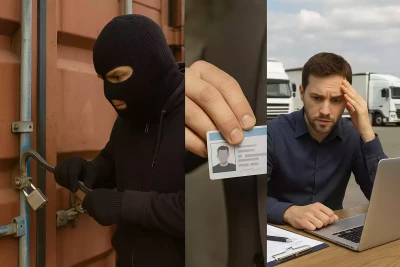 As criminal networks grow more sophisticated, the freight industry must adapt at the same pace. Fraud isn’t just a nuisance anymore; it’s a strategic threat that can damage relationships, cost shippers millions, and put brokers in legally vulnerable positions. With advanced verification, real-time monitoring, and per-load risk assessment, supply chain professionals can confidently uncover who they’re really doing business with, protect their customers, and keep freight moving safely.
At Triple T Transport, we’re committed to using the most advanced tools and practices available to stay ahead of emerging threats and ensure every shipment moves with integrity, confidence, and industry-leading 3PL support.