
Freight Security and AI: The New Challenges Facing Modern Supply Chains
May 26, 2026
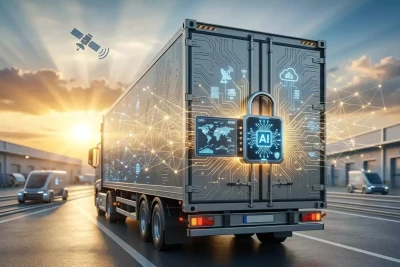 The transportation industry is facing mounting pressure from every direction. Tight budgets, rising fuel costs, and market instability have forced shippers, brokers, and carriers to rethink how they operate. At the same time, surging cargo theft has grown into one of the industry’s most urgent concerns, creating new operational and financial risks across the supply chain.
While technology continues to evolve rapidly, many transportation leaders are discovering that simply adding more software or automation rarely serves as a viable solution. Instead, success often comes down to combining the right technology with consistent processes, reliable partner relationships, and strong operational oversight.
Cargo theft is no longer an isolated problem affecting only a handful of high-value shipments. Organized theft operations have become increasingly sophisticated, targeting everything from consumer goods to manufacturing freight. Industry estimates suggest cargo theft costs transportation companies tens of millions of dollars every day, and many incidents likely go unreported.
“Cargo theft has become a huge issue. It’s why a lot of companies come to Vector. It has been a big driver of our growth,” says Glenn Koepke of Vector, a company specializing in fleet operations technologies.
The methods used by cargo thieves have also evolved. In some cases, thieves intercept freight through fraudulent carriers or identity manipulation. In others, shipments are physically compromised during transit at unsecured truck stops or staging locations. Some operations are so sophisticated that trailers may appear untouched from the outside while large portions of the load have already been removed.
Will technology alone be enough to combat the rise in cargo theft? Hear what our experts have to say in the latest episode of the Stay In Your Lane Podcast.
For shippers, this creates significant financial exposure. Beyond the direct loss of freight, theft events can disrupt customer relationships, delay production schedules, increase insurance costs, and damage supply chain reliability.
Many companies assume new technology alone will solve supply chain security challenges. In reality, outdated operational processes are often one of the biggest vulnerabilities.
Simple walkthroughs of shipping and receiving procedures frequently uncover weak points such as paper-based log systems, unverified seal processes, and inconsistent check-in procedures. As cargo theft organizations become more advanced, legacy processes become easier to exploit.
“If there’s one recommendation I can have for anyone in the industry… go walk the process,” says Koepke. “Cargo theft has become more sophisticated, and there is no one silver bullet to solve it. It takes a large cohort and collaboration across the network.”
For many businesses, improving freight security starts with reviewing the complete lifecycle of an order from pickup through final delivery. Even relatively small procedural changes can significantly reduce risk while improving operational efficiency.
In light of these challenges, the transportation industry has invested heavily in technology over the past decade. Still, many organizations struggle to maximize the value of these tools.
One common issue is the lack of internal ownership after implementation. Companies often purchase new systems with enthusiasm, only to see adoption decline when key employees leave, priorities shift, or teams fail to fully integrate the technology into daily operations.
That is why successful technology adoption requires more than purchasing software. Companies need internal stakeholders who oversee implementation with clear operational goals and ROI expectations. Employee training and accountability backed by ongoing process reviews are also crucially important. Finally, leadership support for change management is also key. Without these elements, even the best platforms can become underutilized.
Leading the charge in the recent excitement around new technologies are artificial intelligence systems. While AI offers significant opportunities to improve efficiency, visibility, and decision-making, many companies are approaching it with unrealistic expectations.
AI should be viewed as an operational enabler rather than a replacement for human expertise. Automation can streamline repetitive tasks, analyze large volumes of data quickly, and improve workflow efficiency. However, transportation remains a highly relationship-driven, human-centered industry that depends on communication, judgment, creativity, and problem-solving.
 Organizations that gain the most value from AI will likely be the ones that use it strategically rather than impulsively and align the technology with specific business goals. It is also important to establish clear operational guardrails while training employees to work alongside automation tools to achieve consistent results.
“If it sounds too good to be true, it probably is. But AI can do things no human can do in that time,” says Koepke. “I don’t think AI is a fad. I do think it’s here to stay, but it is not going to replace everything that think it’s going to.”
While AI is likely to remain a permanent part of the industry, companies that approach it thoughtfully will be better positioned than those chasing trends without a clear strategy. Even as automation expands, transportation will continue to rely heavily on people, partnerships, and operational expertise.
In today’s transportation environment, resilience comes from balancing innovation with execution. It is also important to understand that technology works best when paired with the right processes and people. Companies looking to strengthen their supply chain operations, improve freight visibility, and build more dependable transportation networks can benefit from partnering with an experienced 3PL provider. Triple T Transport delivers industry-leading third-party logistics solutions designed to help shippers navigate market volatility, improve efficiency, and keep freight moving securely and reliably.