
Marijuana Reclassification and Trucking: Why Zero Tolerance Still Rules the Road
July 7, 2026
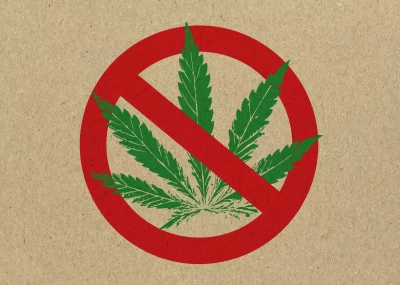 As marijuana laws continue to evolve across the United States, many industries are reassessing workplace policies and safety standards. For commercial transportation, however, one thing remains unchanged: safety comes first. Despite growing legalization at the state level and increased discussions around federal reclassification, commercial drivers are still held to strict drug and alcohol regulations.
For carriers, shippers, and professional drivers, understanding the distinction between changing public policy and current transportation regulations is essential. While research into marijuana’s medical applications is expanding, commercial trucking continues to operate under a zero-tolerance approach for safety-sensitive positions.
Although marijuana laws vary from state to state, commercial drivers operating under federal regulations remain subject to strict drug testing requirements. The transportation industry is responsible for moving millions of tons of freight safely every day. Because of the potential consequences of impaired driving, regulators continue to prohibit marijuana use by commercial drivers, including medical marijuana.
“These people are driving giant and powerful machines—80,000 pounds. It can do a lot of damage,” says Transportation attorney Thomas Kern.
Until federal transportation authorities revise their regulations, drivers should expect current policies to remain firmly in place.
One of the primary reasons regulations have not changed is the lack of reliable testing methods that determine current impairment. Unlike alcohol, where blood alcohol concentration provides a relatively accurate indication of intoxication, marijuana testing presents a much greater challenge. Existing drug tests can detect prior use but often cannot distinguish between recent impairment and use that occurred days or even weeks earlier.
Will truckers get a pass for recreational or medical marijuana use? Hear what the experts have to say in the latest episode of the Stay In Your Lane Podcast.
This creates significant concerns for regulators responsible for protecting public safety. Without a scientifically accepted method to determine whether a driver is impaired at the time of an incident, maintaining existing prohibitions remains the safest regulatory approach.
Recent changes to marijuana’s federal classification are expected to encourage additional scientific research into both its potential medical benefits and its long-term effects. Researchers continue to study areas such as chronic pain management, PTSD treatment, and other possible medical applications.
As research expands, healthcare professionals and policymakers will have access to more comprehensive data that could influence future legislation and workplace policies. However, increased research should not be mistaken for immediate regulatory changes within commercial transportation.
Even as legalization spreads, transportation companies continue to face significant legal exposure. In the event of a serious accident, attorneys will often examine every possible factor that could contribute to liability. Drug testing results, medical histories, prescription medications, and questions surrounding cognitive impairment may all become part of litigation.
Because research on long-term cognitive effects continues to develop, these issues may become even more prominent in future legal proceedings. Until clearer scientific standards emerge, employers and insurers are likely to maintain conservative safety policies.
As more states legalize marijuana, researchers continue examining traffic safety trends to better understand potential impacts on roadway safety.
Some studies have reported increases in motor vehicle accidents following legalization, while others suggest the data is more complex and influenced by multiple factors. Because research findings remain mixed, transportation regulators continue reviewing available evidence before considering changes to existing policies.
While public opinion and state laws may continue to evolve, most industry experts anticipate little immediate change for commercial drivers.
“You should not use any intoxicating substance—whether it be opioids or marijuana—and drive a car, a truck, or fly an airplane,” says Kern.
Until testing technology can accurately measure real-time impairment and additional scientific research provides greater clarity, federal transportation authorities are expected to continue enforcing existing drug and alcohol regulations.
At Triple T Transport, safety and compliance are foundational to everything we do. As regulations evolve, we stay informed on industry developments so our customers and carrier partners can navigate changing requirements with confidence. Whether it’s monitoring regulatory updates, maintaining compliance standards, or delivering reliable transportation solutions, our team remains committed to keeping freight moving safely and efficiently through industry-leading 3PL services.