

How Seasonal Produce Shipment Impacts National Freight Capacity
October 6, 2026
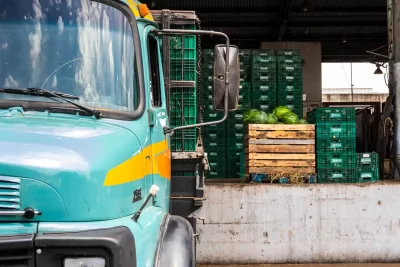 Every year, harvest cycles reshape the U.S. freight market. As fruits and vegetables move from growing regions to retailers, food service distributors, and processing facilities, demand for refrigerated transport equipment rises quickly. That surge can tighten capacity, shift carrier networks, and affect transportation costs far beyond the agricultural lanes where it begins.
For businesses that rely on seasonal transportation services, understanding this movement is essential. Effective planning helps protect product quality, secure dependable equipment, and reduce exposure to volatile spot-market conditions.
Why Produce Season Creates a National Capacity Shift
A series of regional harvest peaks generally begin in warmer southern markets, expand through major western and southeastern growing areas, and move north as the year progresses. Each harvest window creates concentrated outbound volume that must move quickly.
That domino effect determines how freight capacity moves for other industries.
1. Refrigerated Equipment Becomes Harder to Secure
Reefers are the first equipment type to feel pressure. Temperature control is central to fresh produce shipping, and harvest surges can absorb a large share of available refrigerated trailers in a region. Loads with short lead time, specialized temperature requirements, multiple stops, or strict appointment schedules may become harder or more expensive to cover.
2. Spot Rates Become More Volatile
When shipment volume rises faster than available truck supply, rates typically increase on outbound produce lanes. Pricing can change quickly based on weather, harvest timing, market demand, and the number of trucks positioned nearby. Inbound rates may behave differently as carriers look for freight that places equipment near the high-demand market.
3. Carrier Networks Rebalance
Seasonal opportunities influence where carriers place drivers and equipment. A truck that normally serves a manufacturing or consumer goods lane may temporarily move toward a more in-demand market. The result is less capacity for unrelated freight in surrounding regions, particularly when carriers face long repositioning distances or weak return-load options.
4. Service Requirements Become Less Flexible
Fresh produce often has a limited shelf life, precise temperature needs, and firm delivery appointments. Delays can reduce quality and increase the risk of rejected products or costly deductions. During tight markets, shippers may have fewer options to recover from missed pickups, equipment failures, or last-minute order changes.
How Shippers Can Prepare for Seasonal Tightness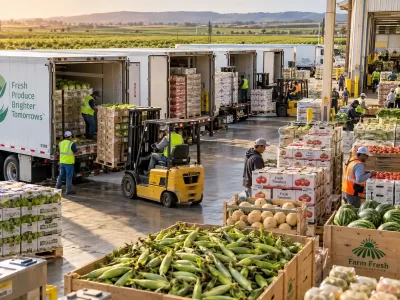
Don’t let seasonal transport availability affect your company’s shipping schedule. You can stay ahead of the rush by:
- Share forecasts early. Provide expected volumes, origin regions, delivery windows, and equipment requirements before harvest activity peaks.
- Build flexibility into appointments. Wider pickup and delivery windows can increase the number of carriers able to accept a load.
- Confirm temperature and handling details. Document set points, pre-cooling requirements, temperature expectations, and loading procedures before dispatch.
- Use realistic lead times. Last-minute requests carry more risk when capacity is tight, especially for refrigerated shipments.
- Develop primary and backup capacity plans. A broad, vetted carrier network like Triple T Transport’s can help reduce disruption when preferred options are unavailable.
Lighten Your Load with a Trusted Shipping Partner
The right logistics partner can combine carrier vetting, temperature-controlled expertise, clear communication, shipment visibility, and responsive support. A provider that understands seasonal lanes can anticipate pressure points, identify practical alternatives, and coordinate details that help protect shipments from pickup through delivery.
Triple T Transport was founded with a focus on reliable shipping and continues to support shippers with a nationwide network of carefully vetted carriers. Our team can coordinate shipments across industries with customized capacity solutions for seasonal needs.
Plan for Your Next Seasonal Shipment
Seasonal produce volume can change freight conditions quickly, but proactive planning helps shippers stay ahead of capacity constraints. With accurate forecasts, appropriate lead times, reliable tracking, and an experienced transportation partner, businesses can navigate peaks while protecting service and product quality.
Need dependable support for seasonal shipments? Contact Triple T Transport to discuss your upcoming volume, lane requirements, and temperature-controlled capacity needs.