

Peak Season Logistics: How Shippers Prepare Their Supply Chain for the Holiday Rush
September 24, 2026
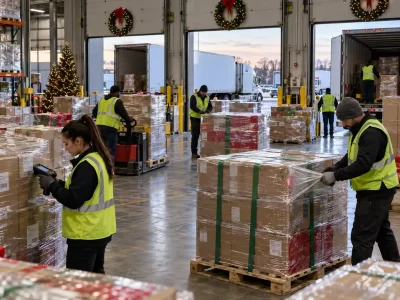 Holiday demand can turn an efficient transportation network into a daily capacity challenge. There is more demand for trucks, appointments fill quickly, weather adds uncertainty, and small delays can trigger chargebacks or stockouts. Effective peak season logistics start before the first surge.
Why Peak Season Shipping Requires Earlier Planning
The traditional holiday window is no longer a single predictable spike. Promotions, inventory increases, regional capacity shortages, import timing, and customer-specific delivery requirements can create rolling pressure across multiple weeks. Shippers who wait for confirmed orders before reserving transportation may find that the best capacity, pricing, and appointment times are already gone.
As an experienced freight broker serving businesses across the country, our team at Triple T Transport identified three habits that high-performing shippers share during the holiday season. These habits provide early visibility, create operational flexibility, and make decisions against a written plan. This guide can help turn those habits into a practical holiday shipping prep plan.
1. Build a Lane-Level Holiday Freight Forecast
Start with historical shipment data, sales forecasts, promotional calendars, inventory positions, and customer delivery commitments. Then translate that demand into expected weekly loads by origins, destinations, equipment type, and service level. Flag high-risk lanes, including remote markets, strict appointments, and lanes with backhaul demand.
Share a rolling forecast with your freight broker and update it as demand changes It doesn’t need to be perfect, but timely visibility helps your broker position carrier capacity, compare route options, and identify gaps before they become emergencies.
2. Secure Core Capacity and Plan for Overflow
Protect your highest-volume and most time-sensitive lanes first. Confirm expected volumes, pickup schedules, and equipment requirements with core providers. Then build an overflow strategy using vetted pickup carriers and alternate modes.
A freight broker can widen your access to capacity, making peak season logistics easier. But you can get the most of this partnership when expectations are clear from the start. Define what qualifies as an acceptable backup option, which service tradeoffs require approval, and who can authorize a rate or route change.
3. Create Flexibility in Pickup and Delivery
Rigid schedules are expensive and frustrating when networks tighten. Where customers and facilities allow, offer wider pickup windows, earlier tendering, weekend or off-peak appointments, and flexible delivery dates. Consolidate compatible shipments when possible and ship priority inventory earlier when the carrying-cost tradeoff makes sense.
4. Prepare Warehouses and Shipping Data
Transportation performance often breaks down at the dock. Align labor plans with your projected volume, confirm receiving hours and holidays closures, and reserve appointment capacity. Make sure packaging, labels, bills of lading, weights, dimensions, freight class, and special handling instructions are all accurate before tender.
Also review your typical shipment dwell time. Faster loading unloading makes your freight more attractive to carriers and helps preserve capacity. Identify repeat causes of detention now, assign owners to determine solutions, and fix them before volume accelerates during busier months.
5. Stress-Test Your Contingency Plan
Naming backup carriers may not be enough. Run tabletop scenarios for weather closures, missed production, rejected appointments, driver shortages, equipment failures, and sudden order spikes. For each projected scenario, document the trigger, first response, approval path, customer communication and recovery option. That way, you’ll be prepared when it happens in a high-stress scenario.
How a Freight Broker Strengthens Peak Season Logistics
A reliable freight broker does more than just add trucks to your shipping lineup. A strong brokerage partner can pressure-test forecasts, source qualified capacity, monitor shipments, and present recovery options before the delay reaches your customers. With early collaboration and strong communication, your broker should become an extension of your transportation team.
Start Your Holiday Shipping Prep Before Capacity Tightens
Peak season logistics rewards those who properly prepare. If you are building your holiday freight plan, start with your forecast, priority lanes, and known operational constraints. Then bring your freight broker into the conversation early enough to secure options instead of reacting to shortages after they happen.
Ready to strengthen your peak logistics strategy? Triple T Transport can help review your projected volumes, capacity risks, and holiday shipping prep plan. A strong partnership with our experienced team can ensure you’re prepared for whatever the holiday season has in store. Contact us today to discuss your seasonal shipping options early.