
How to Prevent Temperature Excursions in Winter Meat Transport
November 23, 2026
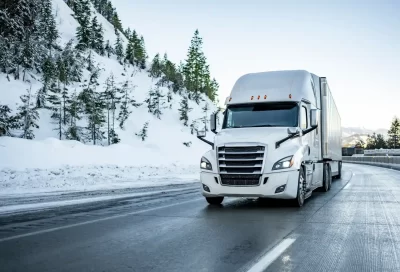 The first hard freeze can expose weak points in a meat supply chain. A trailer designed to maintain cold conditions may seem naturally protected in winter, but freezing weather introduces its own hazards. Product can become too cold, sensors can report misleading readings, equipment can struggle after sitting overnight, and delays can extend exposure at docks or during roadside stops.
Preventing a temperature excursion when shipping meat requires more than setting the reefer and closing the doors. A reliable winter plan combines accurate temperature monitoring, load-specific operating instructions, disciplined handling, and fast communication. Those controls help protect food safety and product quality while creating a defensible record of conditions from pickup to delivery.
Why Cold Weather Can Threaten a Refrigerated Shipment
It seems counterintuitive that cold weather can introduce additional cold-chain risk, but that’s the reality. Refrigerated equipment is built to maintain a controlled environment at a specific temperature, and external weather conditions can affect how well freight stays within the necessary range.
When the outside temperature falls rapidly, the load may be exposed to uneven airflow, frozen packaging, localized cold spots, or repeated temperature swings during loading and unloading. Cold weather risks for cold-chain shipping include:
- Overcooling or freezing: Chilled meat can be damaged, lose moisture, or degrade in quality if it crosses the product’s specified lower limit.
- Warm loading conditions: A cold trailer cannot compensate for product that enters above its required shipping temperature.
- Door-open exposure: Wind, snow, and dock congestion can disrupt temperatures near the end of the trailer.
- Airflow restrictions: Poor pallet placement can block circulation and create hot or cold zones inside the trailer.
- Equipment and fuel issues: Batteries, fuel systems, door seals, and reefer components can be less dependable in severe weather.
- Longer transit times: Ice, road closures, and reduced speeds can extend a shipment beyond its original plan.
1. Define the Temperature Range Before Pickup
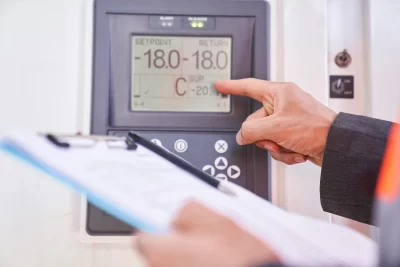 Every shipment should begin with written, product-specific instructions. Confirm whether the meat is chilled or frozen, identify the acceptable temperature range, specify the reefer setting and operating mode, and document any special handling requirements. The correct parameters can vary by product, packaging, process, customer specification, and applicable food-safety program, so a generic winter setpoint is not enough.
2. Inspect, Pre-Trip, and Condition the Trailer
A thorough pre-trip inspection is especially important around the first freeze, when equipment may be moving from mild-weather operation into sustained cold. Verify that the trailer is clean, odor-free, and suitable for the product, as is specified in the FDA’s Food Safety Modernization Act (FSMA) rule on Sanitary Transportation of Human and Animal Food.
Check door gaskets, drains, interior panels, the air chute, and the trailer floor for damage or obstruction. Confirm that the refrigeration unit starts correctly, has adequate fuel, and can hold the required setpoint.
3. Use Temperature Monitoring That Shows the Whole Trip
Effective temperature monitoring provides visibility beyond a single display on the refrigeration unit. Calibrated sensors or data loggers should be placed where they can capture meaningful conditions without being blocked, damaged, or exposed to misleading blasts of supply air. For sensitive or high-value loads, more than one monitoring point can help identify temperature variation across the trailer.
Real-time alerts can turn a developing excursion into a manageable exception. Set warning thresholds inside the acceptable range so the team has time to investigate before a limit is crossed.
4. Load for Airflow, Not Just Cube Utilization
Even the best refrigeration unit cannot protect a badly loaded trailer. Keep the return-air path open, avoid loading above the marked height, and maintain clearance where the equipment requires it. Do not allow cases, slip sheets, or loose packaging to obstruct circulation. A stable load pattern helps conditioned air move around the freight and reduces localized cold or warm pockets.
Loading teams should also minimize the time product waits on the dock. Stage the load, verify paperwork, and coordinate trailer readiness before opening the cold-storage area. Once loading is complete, close and seal the doors promptly.
5. Plan for Winter Delays and Define an Excursion Response
Winter routes need margin. Review forecasts, road restrictions, mountain passes, expected dwell time, and facility hours. Build a communication cadence for the driver and operations team, and identify alternate routes or recovery resources before the truck departs. A full reefer fuel tank and a realistic transit plan are simple protections against avoidable interruptions.
If an alert occurs, protect the evidence and the product. Confirm the reading with available data, compare it with the reefer status and shipment instructions, notify the designated contacts, and document every action. The appropriate disposal should be made by the responsible parties using the applicable food-safety plan, product specifications, and complete shipment record.
Choose a Logistics Partner Built for Temperature-Controlled Freight
Winter meat transport demands equipment, visibility, and responsive support. Triple T Transport brings more than 30 years of transportation experience and works with carriers equipped for refrigerated and frozen loads, including temperature-monitoring capabilities and real-time shipment tracking.
When the first freeze arrives, do not leave your cold chain to the forecast. Contact Triple T Transport to learn how we can protect your next refrigerated shipment with clear requirements, active visibility, and a logistics team prepared to respond.