
How to Choose a Freight Broker for Seafood Shipments
September 17, 2026
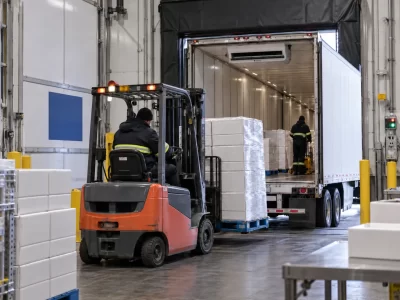 Seafood shipments leave little room for error. Fresh fish and frozen products can lose value quickly when temperature, transit time, sanitation, or communication breaks down. The right shipping partner does more than just locate a refrigerated truck. A trusted freight broker coordinates a dependable cold chain from pickup through delivery.
For shippers, that means choosing a partner with seafood-specific experience, qualified refrigerated carriers, shipment visibility, and a clear process for preventing and resolving service disruptions and failures. Consider the criteria below to compare potential freight brokers before entrusting one with your next seafood load.
1. Look for a Broker with Seafood Shipping Experience
A broker like Triple T Transport that regularly handles seafood will understand how product type, packaging, seasonality, appointment requirements, and lane length affect the transportation plan. Shipping frozen fillets is not the same as moving fresh oysters or lobster. Ask a potential shipping partner for examples of comparable products and lanes, as well as the broker’s approach to urgent pickups, weekend deliveries, and seasonal surges.
A seafood-focused broker should be able to arrange both full truckload (FTL) and less-than-truckload (LTL) service, source refrigerated equipment, and build a shipment plan around the product’s specific requirements. A broad coast-to-coast carrier network allows a well-connected freight broker to improve options when capacity tightens.
2. Define the Cold-Chain Plan Before Tendering the Load
Don’t settle for a vague promise to “keep it cold.” A capable freight broker should fully understand the required temperature or temperature range, reefer set point, operating mode, pre-cooling expectations, loading procedures, and temperature-recording method. The plan should also identify who receives alerts and have an established set of procedures if the reading moves outside of the agreed range during transport.
The broker should confirm that the selected equipment can protect the shipment and that the trailer is clean, in suitable condition, and prepared for loading. These controls help reduce the risk of contamination, temperature excursions, and avoidable claims.
3. Ask How Carriers Are Vetted
Your freight broker should have a reliable carrier-qualification process that’s based on more than choosing the drivers with lowest rate. Ask whether the broker verifies things like operating authority, required insurance filings, safety information, and refrigerated equipment capability.
Triple T Transport reserves an established and proven network of vetted carriers and utilizes Highway, the industry’s gold standard of verifying carrier and driver identity.
For seafood shipments, experience matters at the driver and carrier level, too. The assigned carrier should understand reefer operation, washout and prior-load expectations, temperature documentation, and the consequences of missed appointments. An experienced freight broker like Triple T Transport will ensure all of these are in place with the selected carrier.

4. Evaluate Tracking and Communication
Real-time tracking is especially valuable when shelf life is short and delivery windows are strict. Look for a broker that can monitor location and milestones, provide regular updates, and escalate situations before they become failures. Ask whether support is available after hours and on weekends, too.
Strong communication should extend to pickup contacts, drivers, receivers, and your internal team. When a delay occurs, the broker should share the facts, present available options, and document the recovery plan.
5. Confirm Food-Safety and Documentation Practices
The U.S. Food & Drug Administration’s Sanitary Transportation rule addresses practices that can create food-safety risks, including inadequate refrigeration, poor vehicle cleaning, and insufficient product protection. It establishes requirements involving vehicles and equipment, transportation operations, training, and records.
Ask how the broker communicates written handling instructions, preserves shipment records, and obtains proof of delivery and temperature data when required. The broker should support your compliance process without making unsupported guarantees or replacing your legal and food-safety advisers.
Questions to Ask a Seafood Freight Broker
Before choosing a freight broker for your seafood shipments, ask your potential shipping partners the following questions to see if they would be a good fit:
- How many fresh and frozen seafood shipments do you manage?
- Can you support FTL and LTL refrigerated freight?
- How do you qualify carriers and confirm authority, insurance, safety, and reefer capability?
- How are temperature instructions transmitted and documented?
- What tracking, alerts, and after-hours support do you provide?
- How do you respond to delays, equipment failures, rejections, or customer deductions?
- Who will manage our account, and how quickly can we reach that person?
- Can you provide references or examples from similar seafood lanes?
Choose a Seafood Logistics Partner Built for Perishable Freight
The best freight broker for seafood shipments combines cold-chain knowledge, qualified refrigerated capacity, attentive communication, and proactive problem-solving. Before making a decision, compare brokers using the same written shipment profile and ask each one to explain how they load will be protected from pickup to delivery.
If you need a transportation plan for fresh or frozen seafood? Triple T Transport offers coast-to-coast seafood shipping support, refrigerated FTL and LTL options, real-time shipment tracking, 24/7 customer service, and assistance addressing costly deductions. Contact our logistics team to discuss your product, lane, temperature requirements, and delivery schedule.