

When is FTL Cheaper Than LTL? How to Find the Shipping Cost Crossover
September 8, 2026
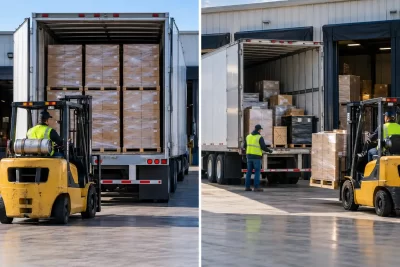 If you need to ship goods, choosing between full truckload (FTL) and less-than-truckload (LTL) is not always as simple as counting pallets. LTL is often economical for smaller shipments because you only pay for part of a trailer. As your shipment grows in weight, volume, or complexity, however, the all-in LTL cost can exceed the price of reserving an entire truck. That point is the shipping cost crossover.
Before you book a load, compare both modes on the same lane and look beyond the headline quote. Freight class, density, transit requirements, handling risk, and available carrier capacity can all move your break-even point. A fixed pallet rule won’t always give you the best margin. The goal is to find the lowest practical total cost for the goods you need to move.
How FTL and LTL Affect Shipping Price
LTL shipping combines your freight with other shippers’ cargo. Pricing commonly reflects shipment weight, dimensions, density, applicable NMFC freight class, origin and destination, and added services. Because freight may move through terminals, LTL can involve more transfers and a wider delivery window.
FTL shipping, on the other hand, dedicates a trailer to one shipment. This rate is typically quoted for the lane and is influenced by mileage, market capacity, equipment type, fuel, pickup and delivery timing, and other specific requirements. The truck usually travels directly from origin to destination, reducing intermediate handling.
Whether you plan to ship a few pallets, a full trailer, or multiple truckloads, Triple T Transport can help match your goods with the right service. Our carrier network includes dry vans, refrigerated trucks, flatbeds, and other specialized equipment. This variety means your shipping plan can reflect the cargo, delivery requirements, and budget.
When is FTL Cheaper Than LTL Freight?
FTL becomes the lower-cost option when freight begins occupying a meaningful share of trailer space, but there is no universal threshold. This typically occurs at 8-12 pallets or roughly 10,000-15,000 pounds, though actual results can vary by freight class, lane, dimensions, and market conditions.
FTL may become competitive sooner when freight is low-density, unusually long, fragile, high-value, time-sensitive, or subject to several LTL accessorials. LTL may remain economical when the freight is dense, stackable, easy to handle, and moving on a well-served lane.
How to Calculate the FTL-LTL Cost Crossover
Determining which option is cheaper comes down to a simple formula. First, record pallet count, total weight, dimensions, stackability, commodity, freight class, declared value, equipment needs, origin, destination, and preferred ship date.

Get all-in quotes for both LTL and FTL. Include fuel, detention, and other anticipated charges. Make sure pickup dates, delivery expectations, equipment, liability needs, and special handling are all aligned when you compare equivalent service. Calculate the difference in cost, weighing service and risk before selecting your preferred mode.
FTL becomes preferable when its all-in cost is lower than the all-in LTL cost plus the cost value of differences in transit time, handling exposure, and operational risk.
Hidden Costs that Affect FTL and LTL Decisions
Choosing between LTL and FTL isn’t always as straightforward as selecting the cheapest option. The following factors can impact your decision, possibly outweighing cost as you make the final decision.
- Freight class and density: Incorrect dimensions or classification can materially change an LTL invoice.
- Accessorials: Liftgate service, residential or limited-access delivery, appointments, and other services can add up quickly.
- Handling and damage exposure: Additional terminal transfers can create risk for fragile, high-value, or difficult-to-handle freight.
- Transit and inventory costs: A faster, more predictable FTL move may prevent downtime, missed appointments, stockouts, or expedited replacement shipments.
- Capacity and seasonality: Rates can shift with geography, weather, holidays, produce seasons, and equipment availability.
- Specialized equipment: Refrigerated, flatbed, or other equipment requirements must be priced into both the mode and carrier decision.
Get the Right Rate for the Goods You Need to Ship
From refrigerated transport to retail shipping, the right mode depends on your complete shipment profile. As your load approaches the FTL-LTL crossover, be sure to compare all-in quotes, equivalent service, delivery timing, and handling risk.
Triple T Transport can review what you plan to ship, where it needs to go, and when it needs to arrive. That information helps us match the load with a practical carrier and equipment solution. Contact us today to request an FTL and LTL rate comparison for your next shipment and find the true cost crossover before you book.